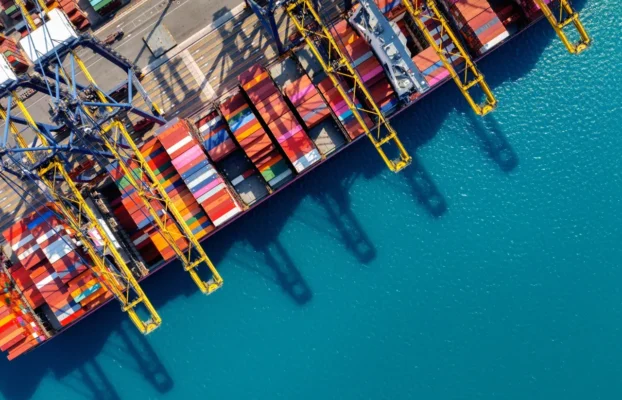
On 4 July 2023, the Port of Nagoya, described by the press as Japan's busiest port, stopped handling containers. The Nagoya Port Unified Terminal System, the central system that controls the container terminals of the port, had been hit by ransomware. Container movements fully restarted on the evening of 6 July, after about two and a half days. In between, trucks queued outside closed gates. This article sticks to what the public record says, and draws three lessons for any terminal manager.
What the public reports say
Workers could not start the system that morning and received a message that it was under a ransomware attack (The Maritime Executive, 5 July 2023). A message about the infection was also sent to a printer, according to a source familiar with the case quoted by Industrial Cyber on 6 July. The Nagoya Harbor Transportation Association said the LockBit 3.0 group demanded a ransom, that it had not been in contact with the group and had not paid. Port officials first aimed to restart on the morning of 6 July; repairs took longer and container movements resumed that evening. Figures for the economic cost were not published, and we will not invent one.
Lesson 1: the shared TOS is a shared single point of failure
Nagoya's strength was also its weakness: one system served the container terminals of the whole port, so one incident stopped them all. Many ports have the same architecture, whether through a port community system or a terminal operating system shared by several operators. The lesson is not to split the system; it is to treat it as the critical infrastructure it is: its own network segment, its own administrators, its own backups, and a documented way to run the gate by hand for a day while it is rebuilt.
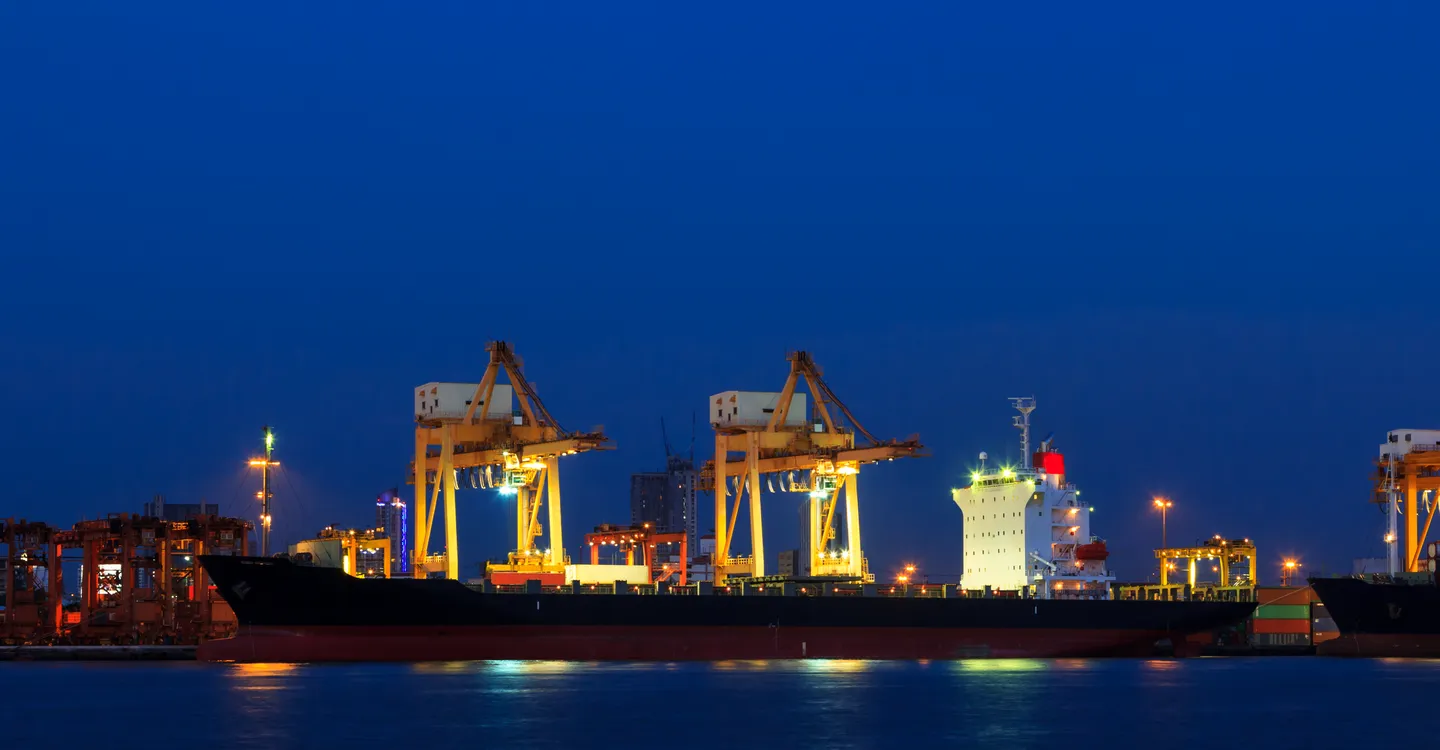
When the terminal operating system stops, the cranes are still there. The containers do not move.
Lesson 2: recovery time is the metric that matters
The port came back in about two and a half days, which many security teams would call a fast recovery. A terminal manager would call it two and a half days of trucks in the street. The useful question is not "could this happen to us" but "how long would it take us to come back". Answering it requires a restore that has actually been tested, not a backup that exists. Measure the time from the decision to restore to the first truck through the gate, once a year, with the same people who would do it at three in the morning.
Lesson 3: the degraded mode is a business decision, not an IT one
In any outage of this kind, a terminal has to choose between a full stop and a manual mode with paper gate passes and radio. A manual mode is slow, error-prone and exposes the terminal to fraud, but it keeps some flow. Whether to use it, for which customers and for how long, is a decision the operations director and the commercial director must have taken before the incident, in writing. Terminals that discover this choice during the attack take the worst of both options.
What to do with this at your terminal
Take the public timeline of Nagoya and read it as if it were yours: the morning the system would not start, the first public announcement, the restart planned, the restart that happened. Write your own times next to each line: when would you know, who would decide to restore, when would the first truck pass the gate? If a line has no number, that is the work for this quarter. Our case studies and incident records keep the public facts of maritime attacks in one place, and the team assessment asks the recovery question in a form a management committee can answer.
Questions
What happened at the Port of Nagoya in July 2023?
On 4 July 2023 ransomware hit the Nagoya Port Unified Terminal System, the central system of the port's container terminals. Container movements fully restarted on the evening of 6 July.
Was a ransom paid?
The Nagoya Harbor Transportation Association said it had not been in contact with the LockBit 3.0 group and had not paid any ransom.
What is the main lesson for a terminal?
Measure your recovery time with a restore you have actually tested, and decide in advance, in writing, whether and how you would run a manual mode.
Sources
- The Maritime Executive, Ransomware attack stops container operations at Japan's Nagoya port (5 July 2023)
- BleepingComputer, Japan's largest port stops operations after ransomware attack (5 July 2023)
- Industrial Cyber, Operations at Japan's Port of Nagoya resume, after probable LockBit ransomware attack (6 July 2023)
- CISA, StopRansomware guidance and recovery checklist (consulted 10 November 2026)
How long would your terminal take to come back?
Every member gets ten hours of cyber advice and two site visits a year.